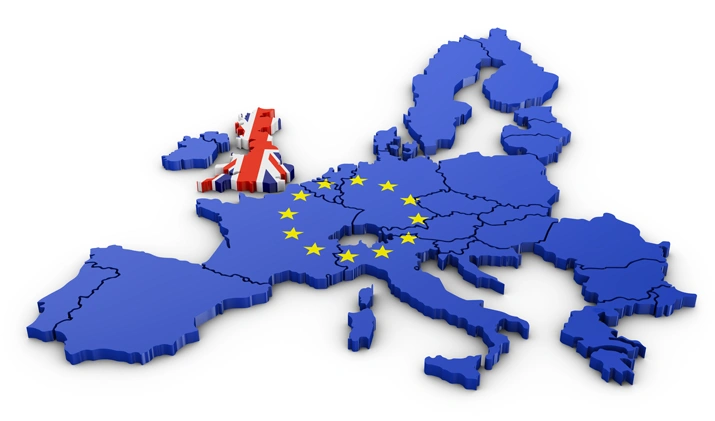
In both the EU and the UK, policymakers are discussing the need for payments sovereignty, homegrown infrastructure, and less dependence on US-based card brands. It’s no longer a debate about interchange fees or scheme governance. It is more about control of strategic infrastructure in the financial sector.
This shift is not just a concept, as it is already influencing regulation, investment, and infrastructure development in Europe.
For merchants, PSPs, acquirers, and
fintechs, there is now one simple question: what if Europe and the UK develop a successful alternative to Visa and Mastercard?
Let’s look at the motivations, the plans, and the implications.
Visa & Mastercard Dominance to Date
Visa and Mastercard created powerful global open card networks that interconnect issuers, acquirers, merchants, and consumers according to common rules. Their business model included reliable global acceptance, authorization, and clearing, advanced fraud management, harmonized dispute resolution, and efficient cross-border processing.
That market dominance created a powerful network effect. Merchants integrated once and gained instant global reach. Issuers issued cards that worked everywhere. The result is tall barriers to entry and a firm structural position for both schemes.
In Europe, the majority of card payments, especially cross-border and online payments, are processed on these two networks. Even in countries with homegrown debit card infrastructure, co-branded or back-end processing often uses Visa or Mastercard rails.
For many years, regulators focused on fee transparency and interchange caps, not systemic dependence. That angle is changing now.
Drivers Behind the Shift
Strategic, economic, and technological imperatives are driving the push for an alternative.
Strategic autonomy
First, strategic autonomy has become a major concern, with payment infrastructure considered significant at the national and regional levels. With card schemes operating outside the region, regulators lack strong bargaining power during times of geopolitical crises. The enforcement of sanctions and recent instances of geopolitical disputes have underscored the rapid loss of financial access. Regulators are now convinced that control of payment infrastructure is equivalent to control of economic engagement.
Cost and competition
Second, both the cost and the competition remain key considerations. Even though the EU’s interchange fee caps addressed the pricing problem to some extent, scheme, assessment, and cross-border fees remain under regulatory scrutiny. Merchants with higher transaction volumes believe the competition between the two major schemes is ineffective. From a regulatory standpoint, promoting domestic or regional alternatives will introduce the cost and diversity that states want.
Digital payments
Third, the steady increase of instant digital payments has altered cost dynamics. Europe has made significant investments in account-to-account infrastructure through SEPA and real-time payment systems. If instant bank payments can deliver immediate settlement, strong authentication, and lower processing costs, reliance on card schemes will be reduced in certain use cases. The technical need for alternatives is already there.
Governance and data issues
Governance and data issues matter as well. Card schemes set transaction rules and technical standards, and control a large amount of transaction data. European regulators are increasingly focusing on data localization, oversight, and consistency with regional policies. The conversation now includes control, supervision, and long-term resilience, not just fees.
The EU’s Strategy: Payment Sovereignty and Alternatives
The European Union is pursuing a coordinated, infrastructure-driven approach.
The European Payments Initiative (EPI) has the backing of major European banks. The goal is a single European payment option that can challenge global card networks by using
fast payment methods.
The EPI wallet, named Wero, focuses on payments straight from account to account, not on card models. It will focus on person-to-person and online sales first. Then it will grow to include in-store payments. Instead of copying the card system, it uses SEPA Instant to send money directly between accounts.
This plan is supported by regulatory backing. The EU is moving toward mandatory 24/7 availability of instant payments, alongside ongoing reforms to its PSD framework and broader open banking development. Europe wants payment methods that it controls.
This payment structure, although promising, has some drawbacks.
- Different countries have different payment habits
- Card payment is deeply rooted in how societies function.
- Consumer habits do not change quickly.
- There are merchant integration costs.
A new pan-European scheme is not going to be easy, as it needs fragmented markets to come together and coordinate their payment options. But the EU plan is a straight, mapped-out push rather than an incremental strategy.
Plans for the UK: A National Substitute for Visa & Mastercard

The UK is looking into another pathway, one that works outside of the EU framework.
The UK's Payment Systems Regulator has been scrutinizing the fees Visa and Mastercard charge for operating in the country, especially in light of changes to interchange fees for international card transactions due to Brexit. This regulatory angle focuses on oversight and transparency rather than creating a direct card-type equivalent.
Instead of building a new card scheme from scratch, the UK is using its own infrastructure, including Faster Payments and Open Banking APIs. This feature supports the development of new payment systems, such as "pay by bank" or "alternative" systems, that bypass the card rails system.
This is a pragmatic approach to UK payments. Instead of launching a new card scheme, the UK is using its existing Faster Payments rails and Open Banking framework to create commercially viable alternatives. If these new systems, such as "pay by bank," prove successful and merchants adopt them, the use of card schemes will gradually decline.
With this new approach, payments will depend less on card schemes, and the system will have evolved without requiring a large-scale replacement of the Visa and Mastercard infrastructure.
Comparing EU and UK Strategies
The EU's ambitious strategy is to build a new payment rail infrastructure across Europe to achieve payment sovereignty. It focuses on making major structural changes with banking participation. On the other hand, the UK's strategy is to use regulatory pressure and domestic alternatives within the established market framework.
What this means is that, in real-world terms, the EU is trying to build a whole new regional champion, while the UK is actively encouraging a gradual shift toward market-driven diversification.
Both of these approaches aim to reduce the structural dependence without the intent to eliminate Visa and Mastercard in the short term. The differences between these two courses of action lie in how they are being implemented and the speed at which these changes will affect the marketplace for both Visa and Mastercard.
Implications for the New Payments Environment
If either alternative scales with any purpose, the environment will adapt accordingly.
Lower prices
More competition coming to market is expected to drive prices down, making scheme fees subject to greater scrutiny. Acquirers and PSPs may be asked to review pricing models as merchants increasingly have access to alternative routing options.
Infrastructure complexity
Infrastructure complexity is expected to increase during this period, and merchants may need to support card payments, instant account-to-account transfers, digital wallets, and hybrid checkout solutions. To support different payment methods, they may need to upgrade their systems.
Fraud and disputes
While card schemes offer mature dispute resolution (chargebacks), A2A models lack this native feature, forcing a shift in risk management to the pre-authorization stage. Account-to-account models do not use traditional chargebacks. That shifts risk management from the post-transaction level to the front end: merchants need to update their operational processes to accommodate these changes.
Fragmentation and adoption of new payment methods
There is also the possibility that fragmentation may rise should national and regional systems scale. The systems need to work seamlessly across borders. The success of alternatives will be driven by how easily and how quickly they are adopted by the market, not by their technology or features.
A question of time…
Time will have to tell with the adoption and conversion rate. How quickly will people make the change, and do they even want to?
The outcome depends on whether users will adopt the new payment systems, which will only become clear during the execution.
Consequences for Fintechs and PSPs
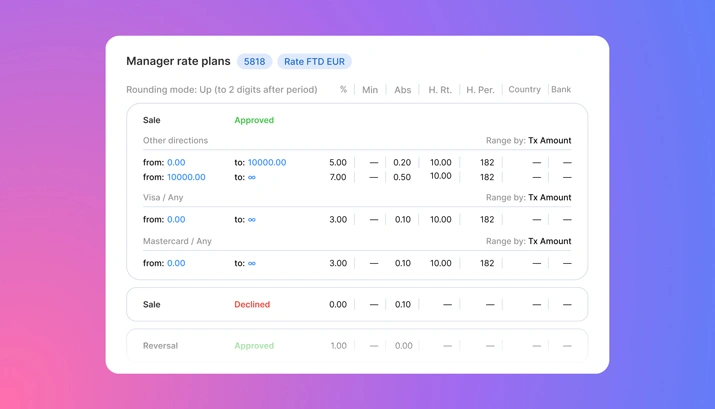
For fintech companies and PSPs, the transition comes with several challenges - and opportunities.
On the plus side, account-to-account payment solutions,
account orchestration platforms, and cross-rail routing engines will become strategically significant. Companies that can quickly respond to complexity and provide a unified integration across cards and instant payments will have a competitive edge.
On the negative side, there will be pressure on margins and an increased risk of regulatory disapproval. Technical complexity will rise as multi-rail support becomes a necessity. A PSP focused exclusively on card acquiring will be threatened if merchants increasingly turn to pay-by-bank options.
The key differentiator is the flexibility of the underlying infrastructure. Companies that can support cards, account-to-account transfers, digital wallets, and real-time payments in a modular architecture will be best positioned to adapt to this new reality.
Final Thoughts: The Future of Payments in Europe and the UK
Ultimately, Europe and the UK aren’t looking to remove Visa and Mastercard from the marketplace completely, but they are seeking to make new options available.
The goal is to diversify payment methods, offer greater control, and reduce reliance on other countries.
In the next few years, account-to-account payments will likely become more common and grow in volume. There might be more rules about payments, and the prices that payment companies charge might slowly come down. It’s also more likely that different payment methods will exist together, rather than one replacing another.
Visa and Mastercard will probably remain the most common ways to pay when you're traveling or buying things online from other countries. But for regular, everyday shopping domestically, people may start using other payment methods as instant payments become more popular.
How we pay for things is no longer just about business. It's now part of how countries manage their economies.
Key Takeaways
- Visa and Mastercard command the European card payments infrastructure through global network effects.
- Europe would like payment sovereignty with less external dependency.
- The EU is launching a pan-European alternative payments system, the European Payments Initiative.
- The UK is trying to encourage domestic A2A growth rather than launching a direct competitor to the scheme.
- Added competition will place pressure on margins and increase infrastructure complexity.
- PSPs and fintechs need to adapt and become multi-rail and routing-flexible.
- Visa and Mastercard will not disappear, but their dominance may decline.
Contact author